

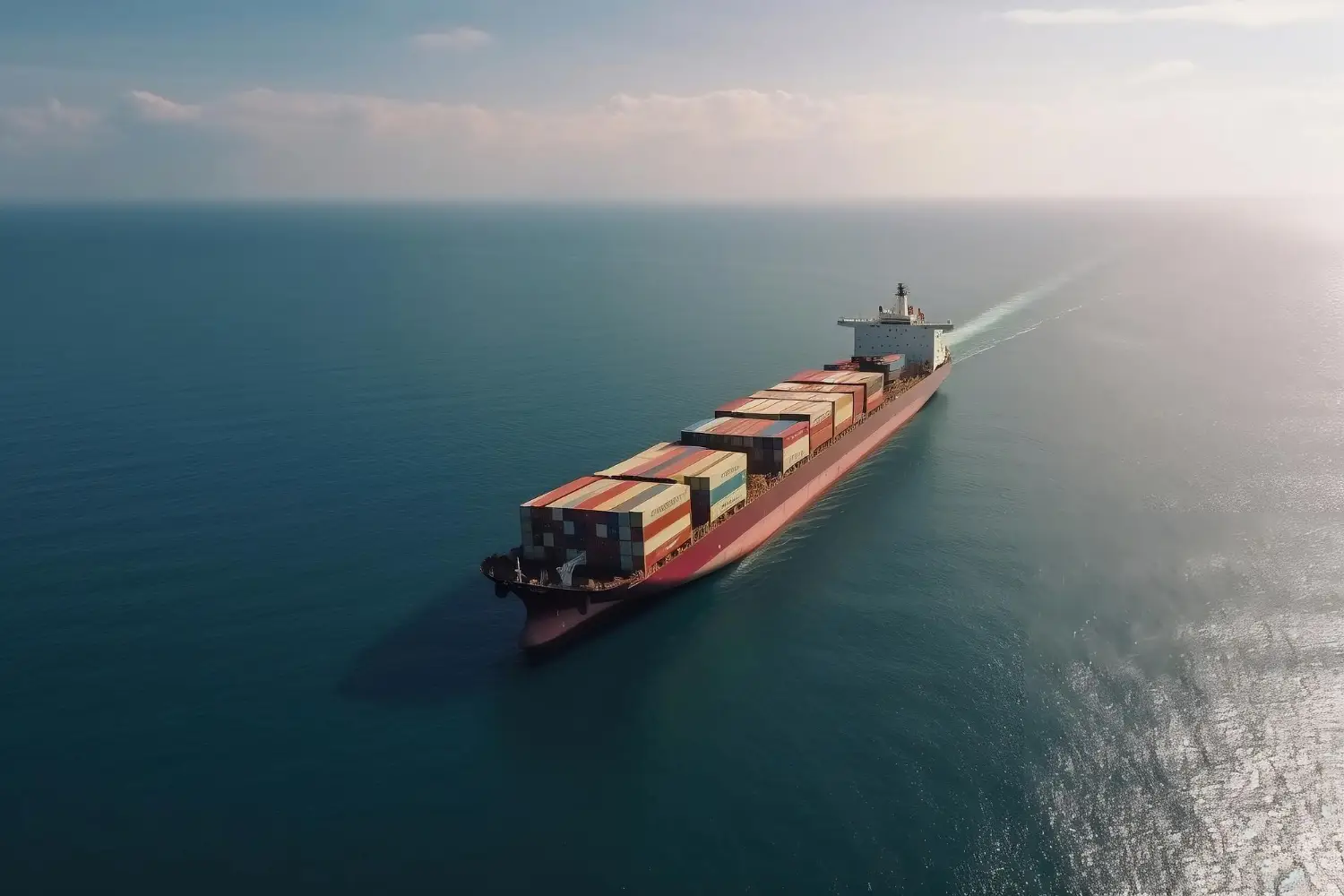
Fuel is one of the largest operating costs in the shipping industry. At the same time, fuel efficiency is directly linked to environmental responsibility, as lower fuel consumption reduces greenhouse gas emissions. For shipowners and operators, improving fuel efficiency is not just about cutting expenses but also about meeting international sustainability goals. Here are some of the most effective strategies to reduce fuel consumption in ships.
1. Optimize Voyage Planning
Smart voyage planning can make a huge difference in fuel usage. Factors such as weather, currents, and traffic routes should be analyzed before departure. Digital voyage optimization tools can suggest the most efficient speed and route, reducing unnecessary fuel burn.
2. Practice Slow Steaming
Operating ships at slightly lower speeds—commonly known as slow steaming—is one of the simplest and most effective ways to save fuel. Even a small reduction in speed can lead to significant fuel savings, although it requires careful planning to meet delivery schedules.
3. Maintain Hull and Propeller Efficiency
A clean hull and well-maintained propeller reduce drag and improve hydrodynamic performance. Regular cleaning, anti-fouling coatings, and propeller polishing are proven methods to keep fuel consumption under control.
4. Invest in Energy-Efficient Technologies
Modern technologies such as air lubrication systems, energy-saving propeller upgrades, and waste heat recovery can drastically cut down on fuel use. While the upfront investment may be high, the long-term savings often justify the cost.
5. Use High-Quality Lubricants and Fuel
The right lubricants and properly treated fuel enhance engine efficiency and reduce friction. Additionally, monitoring fuel quality prevents engine damage and ensures smoother performance, which ultimately conserves fuel.
6. Crew Training and Awareness
Well-trained crews can operate ships more efficiently. Training programs should emphasize best practices such as avoiding unnecessary idling, managing auxiliary engines properly, and monitoring real-time fuel consumption data.
7. Regular Engine Maintenance
Efficient engines burn less fuel. Preventive maintenance, including timely replacement of filters, calibration of fuel injectors, and monitoring engine parameters, ensures optimal performance and lower fuel consumption.
8. Embrace Alternative Fuels and Hybrid Systems
The shipping industry is moving toward greener alternatives such as LNG, biofuels, and hybrid-electric systems. While not yet universally adopted, these fuels can significantly cut both consumption and emissions when compared to traditional heavy fuel oil.
Conclusion
Reducing fuel consumption in ships is a multi-step approach that combines smart voyage planning, proper maintenance, crew awareness, and investment in new technologies. By focusing on efficiency, shipowners not only save money but also contribute to a more sustainable future for the maritime industry.